THE DISTRICT
A smoky field trip to our nation’s capital
by Nicolás Antonio Jiménez / Photography by Andy Astencio
No matter where you stand on the things that go on there, it’s hard not to feel just a little awestruck by Washington, D.C.; from the Washington Monument to the executive office buildings, the place feels like it’s built to beat a single idea into your head: “This is America and we kick ass.” I hadn’t been to our nation’s capital in at least a decade and it was Andy the art director’s first time there, so the whole thing was good and fresh for both of us. It’s just not possible to feel like you got a full D.C. experience in just three days, but we had a lot of friends in town, which we knew would help. Plus, despite D.C.’s being home to the FDA — the federal agency that has become a cigar industry bogeyman — this place is actually a hell of a cigar town, so at least some of the trip plan made itself.
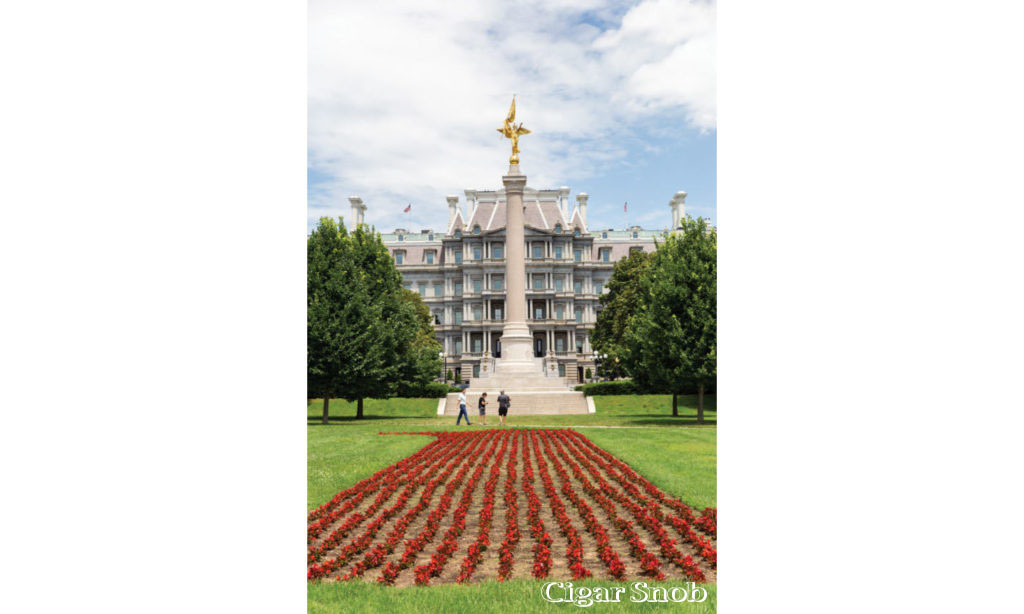
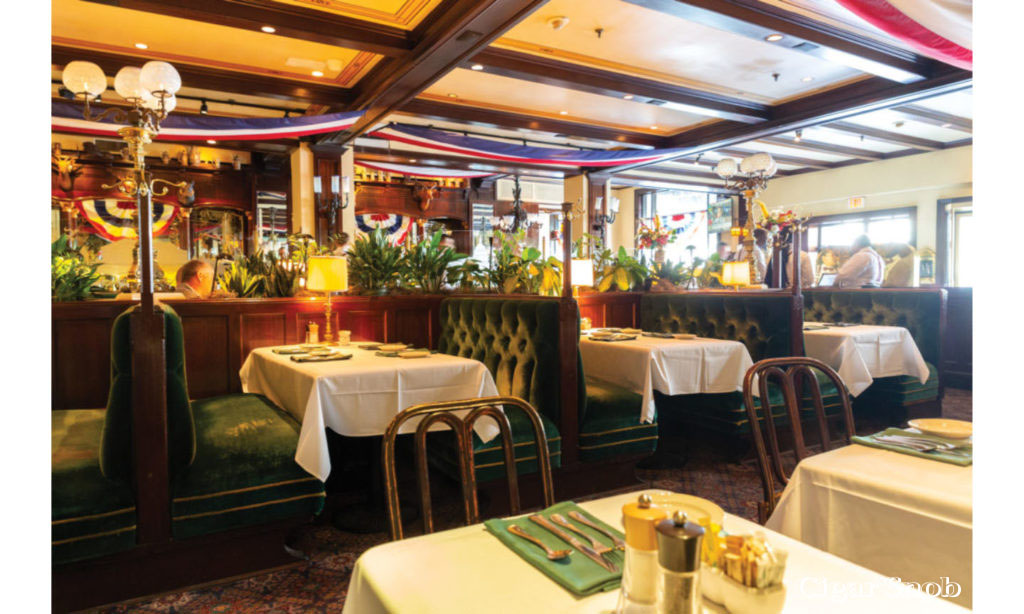
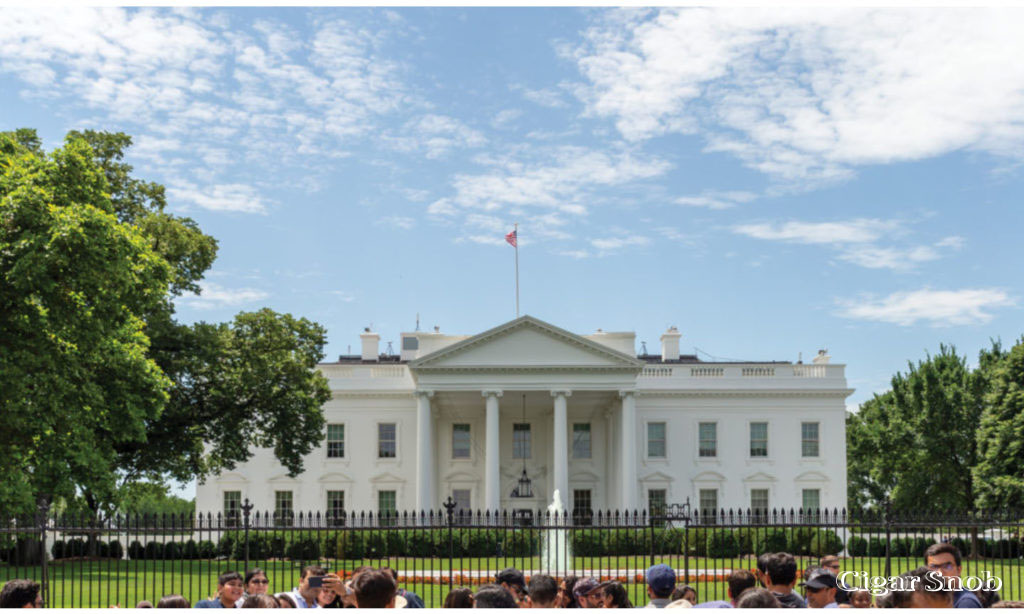
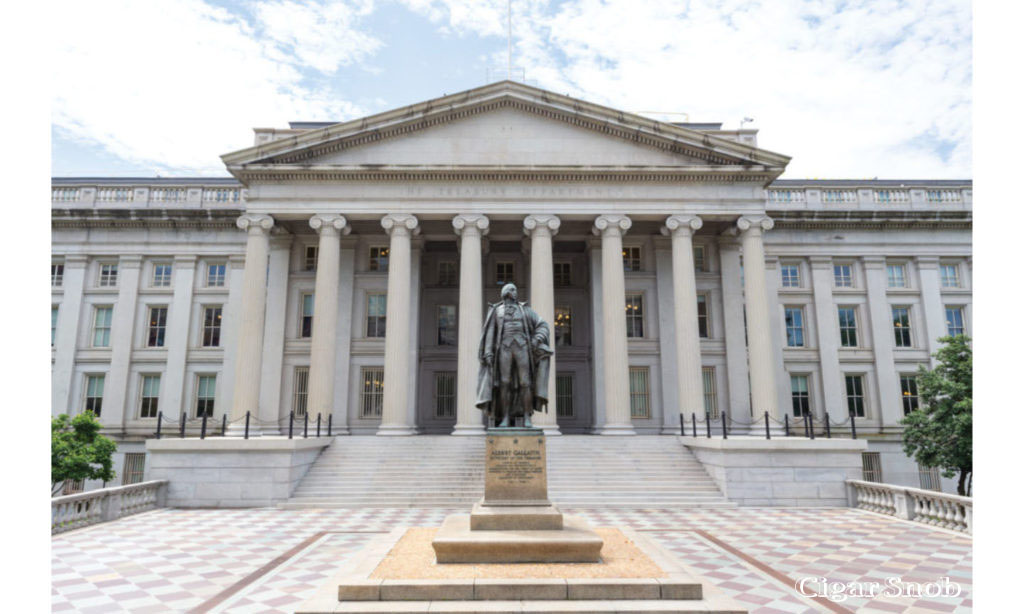
We landed on a Thursday morning and, as usual, we arrived hungry. We’d been told by a number of friends in town about Old Ebbitt Grill. Some recommended it highly as one of those must-visit institutions in the city. Others seemed to think it was too cliché a place to recommend. Though it’s historic as an institution (the Ebbitt is supposed to have been the city’s first known saloon), the business has been sold and moved numerous times since 1856. Still, the Ebbitt name has been with the city for more than a century and a half, and its clients really do read like an all-star roster of D.C. history. It figures that it would, as even today, Old Ebbitt Grill sits on 15th Street, right across from the Treasury Department and just steps away from the White House lawn. It’s been in this location since 1983.
We strolled in just in time to place a breakfast order before the kitchen switched into lunch mode. Although the dining room is new, it evoked an old-world saloon feeling that served to put us in what felt like a D.C. state of mind. Lots of rich screw-you-I’m-in-the-Cabinet wood, old looking art and American flags. It felt just the right amount of ostentatious for me to feel like I was eating a power broker’s huevos rancheros. The huevos rancheros was very good, by the way.
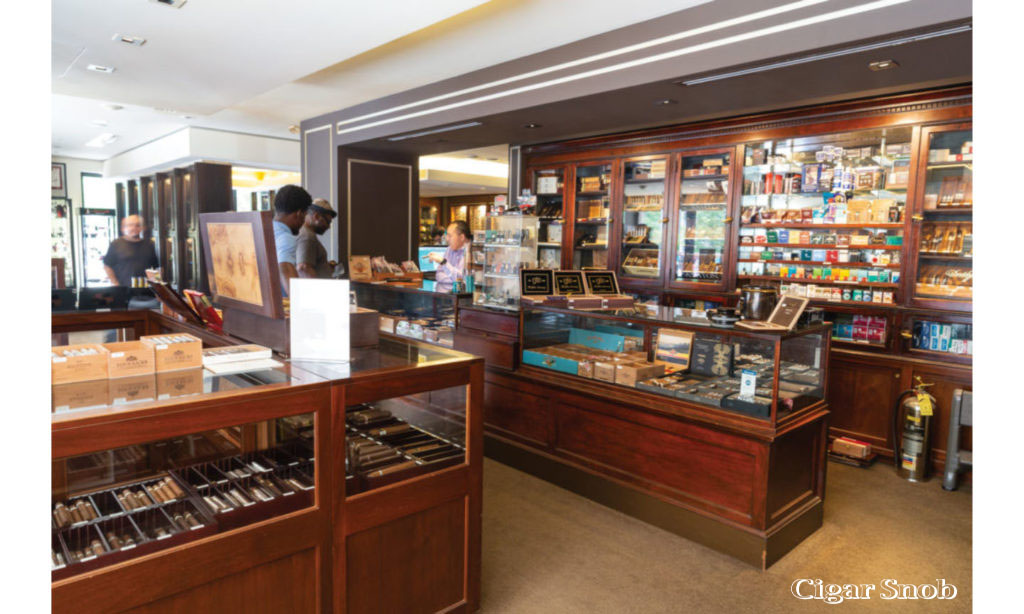
Cliché or not, Old Ebbitt Grill is a great place for a first breakfast in town because it’s just south of the area’s premier tobacconist, W. Curtis Draper (two locations, one in D.C. and another in Bethesda, Maryland). This is yet another of the city’s oldest businesses, having been founded back in 1887. Their new location on 15th Street has an excellent selection of not only cigars, but also cigar accessories, pipes and pipe tobaccos. You’ll find the usual diversity in cigar lounge characters enjoying their stogies here, although there’s almost bound to be a higher percentage of federal government employees.
Being one of the oldest, most respected names in cigar retail, W. Curtis Draper has had generations to nail down its selection, making it an excellent place to stop and stock up for a long sightseeing stroll. Always on the hunt for cigars we wouldn’t encounter at shops back home, Andy and I each picked up one of the Cabaiguán petite coronas. It’s a Connecticut wrapper around Nicaraguan filler and binder that works exceptionally well on the street while you’re getting the lay of the land. It started as a commemorative blend for the store’s 120th anniversary and eventually became a regular-production cigar available exclusively at W. Curtis Draper.
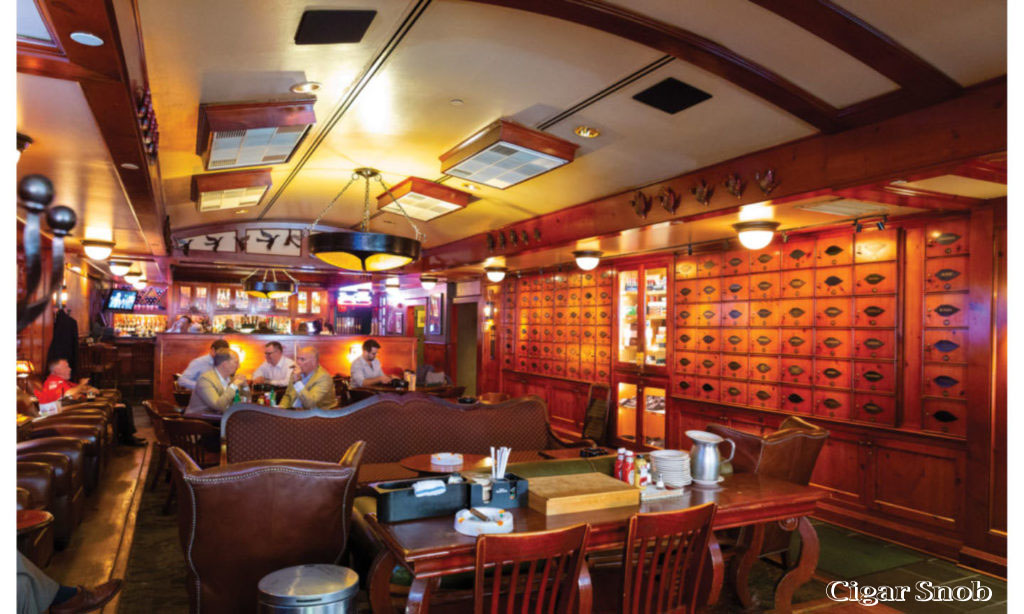
Cigars lit, we started a walk along Pennsylvania Avenue, which separates the White House lawn from Lafayette Square, a historic park. Once you’re directly in front of the White House, it seems like there’s always something to see. Tourists from all over the world take selfies with the White House as a backdrop, some with excitement, some giving away a bit about their political leanings by gesturing with a little less reverence. Also, as you might imagine, this is prime real estate for protesters, as there’s often a news camera on the sidewalk here. In fact, the one thing you’re sure to see is the White House Peace Vigil, a protest that has been going on continually, virtually uninterrupted since 1981. A small tent is set up on the sidewalk and volunteers take shifts holding the fort, so to speak, so it doesn’t get dismantled by authorities. The protest began as a statement against nuclear weapons, but these days it’s a more broad anti-war thing. The vigil doesn’t look like much, but its continued presence on Pennsylvania is the result of a whole lot of persistence and dedication from a range of activists, including homeless volunteers and NGOs that chip in giving their time to ensuring that there’s always someone at the tent (a condition of the permit that was grandfathered in for the vigil).
Again, whatever you might think of the anti-war (and, these days, anti-Trump) messages adorning the dinky tent on the sidewalk … Is there anything more American than a decades-long showdown between the home of the leader of the free world and a loose team of protesters in a tent that just won’t go away?
As you continue the walk, you’ll run into the Blair House, a series of conjoined buildings that have served as the presidential guest house. (Strictly speaking, Blair House is one of those conjoined buildings that together make up the whole presidential guest house.) The Department of the Interior made this the country’s first federal landmark in 1939 for all of the historical significance it’s had had since Andrew Jackson’s presidency. The U.S. government bought the primary building in 1943 and today it serves as a residence for visiting dignitaries.
We swung around the south side of the White House and ended up almost exactly where we’d started, a block or so east of Old Ebbitt Grill at Shelly’s Back Room, where we met with Cigar Rights of America’s executive director Glynn Loope and communications director Cody Carden.
“Nothing personifies how good the cigar scene is in Washington like this place, Shelly’s Back Room, and another place you’ll visit later, which is Civil Cigar Lounge. These are two places in the city where you can eat, drink and smoke, which is truly unique. Not many towns where you can have food where you’re enjoying a cigar,” said Glynn.
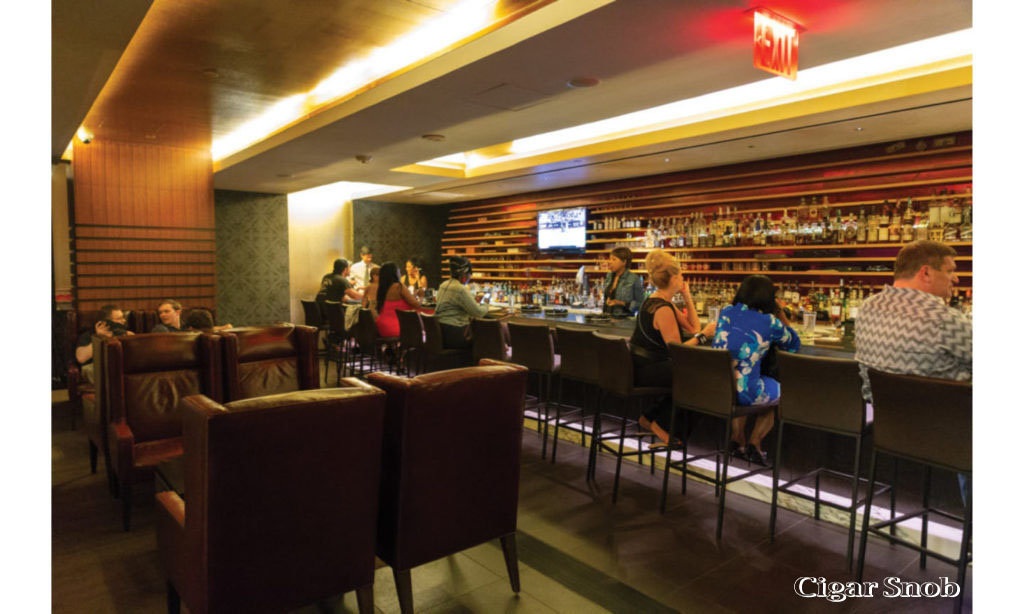
“Having some truly world-class cigar shops helps create a vibrancy for people who enjoy great cigars here,” he continued. “And there’s not a night of the week that you can’t come to either of those places and see who you want to see, see every table taken, see every chair taken. And there are a couple of other places that really prove how Washington D.C. and cigars go together, like the Morton’s veranda, where on any given night, if you want to see people from the United States Senate or the House of Representatives who you know enjoy cigars, go there and you will find them. It really shows how, if other steakhouses had the ability to have patios like Morton’s does, there would be even more opportunities and we would see even more cigar enjoyment within the city.”
Shelly’s Back Room is part cigar lounge, part bar-and-grill restaurant. All of their menus — food, drink and cigars — are extensive. In fact, the cigar menu is not only long (there were roughly 125 cigars on the list), but priced reasonably for a full-service cigar bar in the heart of a city. Even early on a weekday afternoon, Shelly’s had a good crowd going. Not far enough removed from our breakfast to have worked up an appetite, we kept it to Scotch and stogies with Glynn and Cody. At some point, though, they realized they had more serious jobs than ours and could only justify so much on-the-clock whisky. We said our goodbyes and made our way to the first of the trip’s major monuments, the Lincoln Memorial.
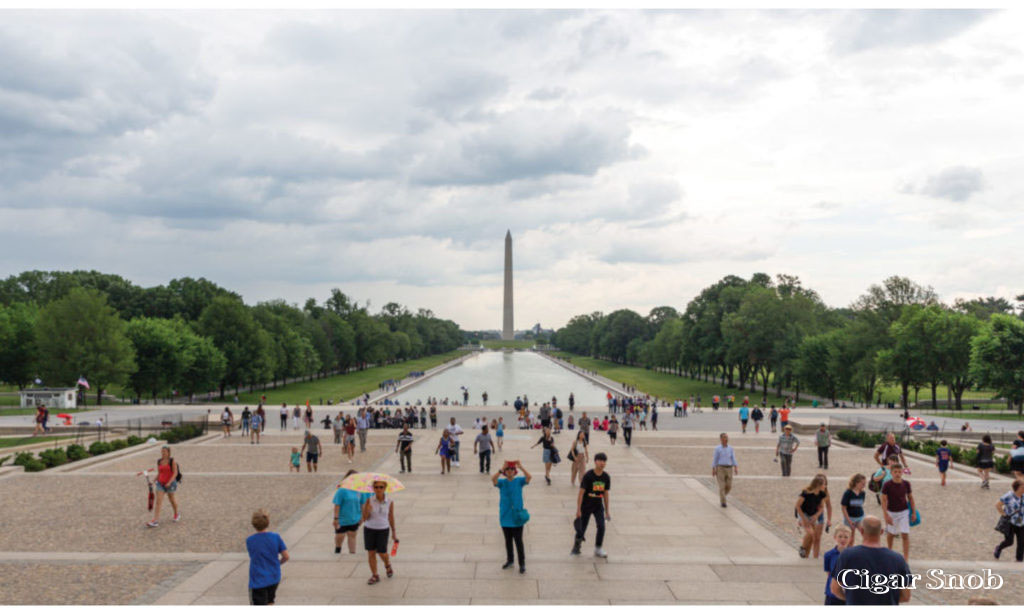
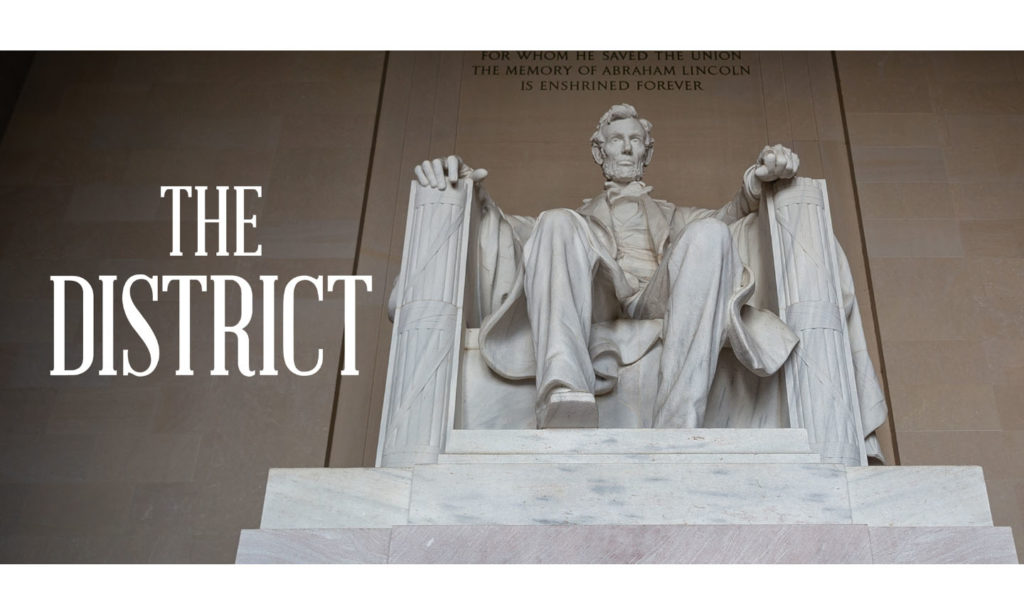
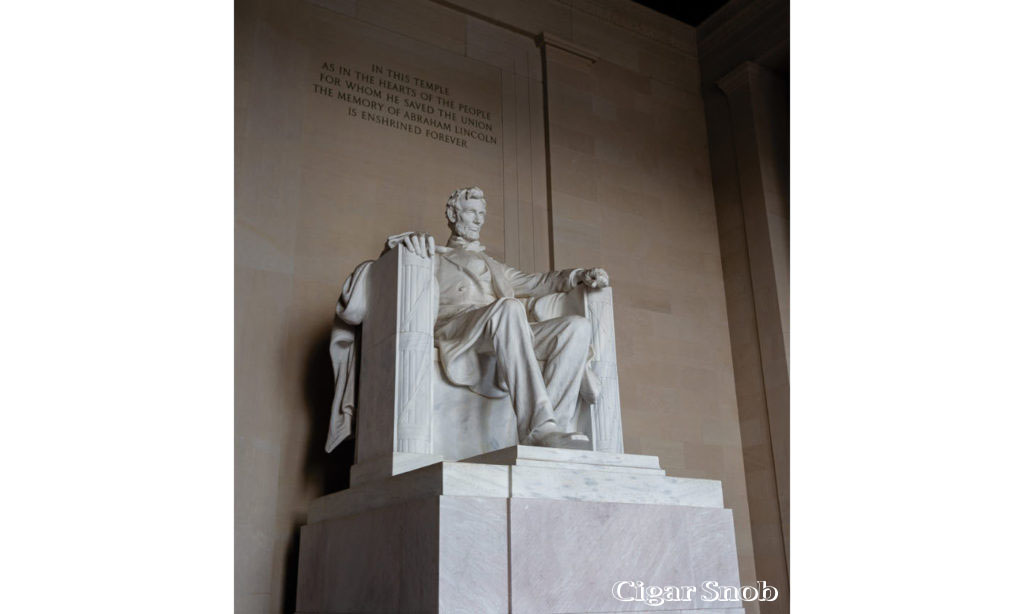
From inside a structure designed in the style of an ancient Greek temple, a giant Abraham Lincoln stares out through the columns, eyeing the Washington Monument and, beyond that, the White House. The Lincoln Memorial was dedicated in 1922, and since then it has been mor than an iconic structure for everyone from shutter-happy tourists the world over to pilgrims looking to stand where so many protagonists of the last century of history have stood. On the interior walls, the full text of Lincoln’s Gettysburg Address and second inaugural address are inscribed.
Thanks to some heavy rain, we were up close and personal with the throngs of people who had made their way to the memorial that afternoon. It’s a long walk from giant Lincoln’s place to the next roof that would keep you dry. Nobody seemed all that upset about it, though. There’s a palpable energy that comes from this memorial — perhaps because it’s been so much more than that.
The plan had been to walk from one end of the National Mall to the other, but after a while, we broke down and bought some parkas from the National Park Service so we could get to a decent Uber pickup spot without soaking our camera gear. We rode to Charlie Palmer Steak, which is at the ground floor of an office building just north of the U.S. Capitol. We’d come for drinks with my friend Keith, who works in the offices above Charlie Palmer and is a happy hour regular at the bar there. After taking us up to the office building’s rooftop so we could get some photos of the Capitol across the street, he led us back down to Charlie Palmer for drinks. It’s the sort of place you might not think to go while on vacation here, but one of the unique things about D.C. is the constant reminders of just how different the city’s relationship to government is from yours. It’s kind of fun to be a fly on the wall as you hang out among locals who dress, walk and talk like they do in D.C.; the Charlie Palmer bar, right after business hours, is one place where you’ll feel like you crashed the district’s daily party. The cocktail menu is as unadventurous as it is well-executed. We had a couple of rounds of Manhattans before it was time for us to get our first Cuban coffee fix (or at least attempt to) of the trip.
Regular readers of our magazine’s travel stories know this is a ritual for us. We land in a new city, excited by the possibilities and the exploration. And then, within a matter of hours, it hits us: we are too far removed from our last cup of Cuban coffee, and if we don’t at least find some espresso soon, this whole project is bound to go up in flames.
So when we heard there was a place around the corner from our hotel near Logan Circle, just north of downtown, that was serving Cuban coffee, we were all over it. It’s called Colada Shop, and it’s a two-story Latin fusion coffee shop that’s part Cuban café, part open-air cocktail bar.
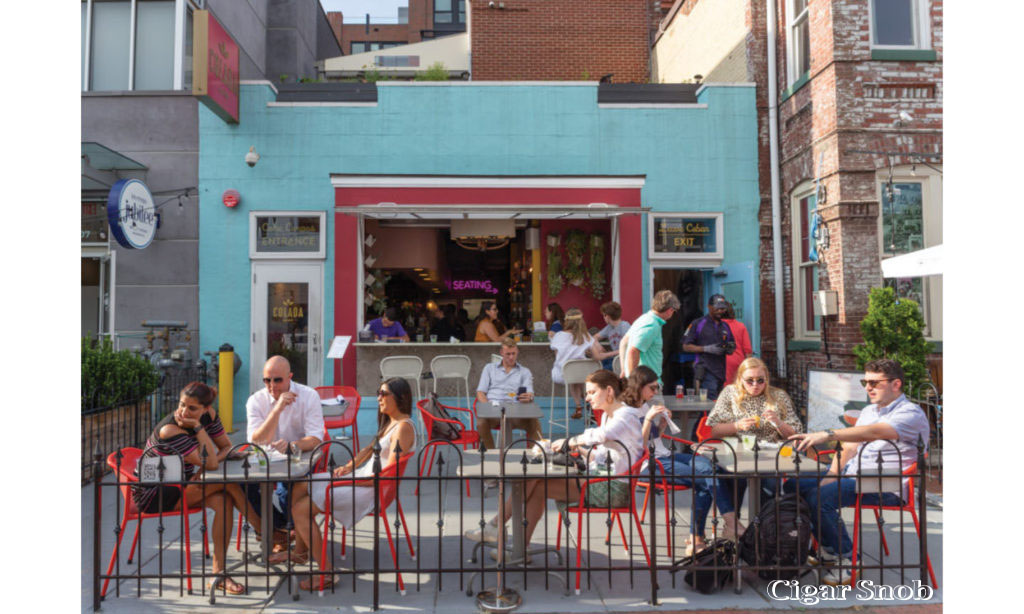
We’re Cuban purists when it comes to coffee, so when a place bills itself as explicitly Cuban, we’re as excited as we are skeptical. Usually, we figure we should lower our expectations — not on quality, but on fidelity to Cuban style. But Colada Shop uses phrases like “This is how Cuba does coffee” in its marketing.
On fidelity to Cubanness, Colada Shop fell short of the bar it sets for itself. The coffee, the empanadas, the croquetas — they all felt like loose approximations of the way Cuba and Cubans do those things. But their being approximations doesn’t mean they were bad. The coffee was good, just not quite Cuban style. And the empanadas were made with a dough that didn’t feel Cuban, but that I actually liked better. It was flaky, delicate, and yet still rich.
“We proudly identify as a Cuban social outpost. You can come in, have your cortadito and empanada, stick around for meetings over lunch, and then transition into cocktails,” said co-owner Daniella Senior. “We have that Latin hospitality that’s not as common here in the DMV area, so what I always get is that we feel like a vacation to a lot of people. The moment they step in here and listen to the music and see the vibrant colors, they get transported.”
That vacation element is absolutely the best thing about Colada Shop. D.C. is an interesting town, but it’s a dull town too. There’s a milquetoast decorum that people maintain on the street, and walking into Colada Shop (especially walking up to its rooftop patio) feels like stepping out of that world, even if only for a moment. That the Cuban cafecito isn’t quite what we’re used to in Cuban Miami is more than made up for by the fun atmosphere that undeniably serves as a vacation in strait-laced D.C.
Besides, you can always get a cortadito (cut your espresso with evaporated milk), which is done very well and helps you forget that you’re not in Little Havana.
The idea had been to get some coffee in us before dropping some things off at our hotel room and changing our clothes for dinner with an old friend named Laura, a longtime DMV resident. We hadn’t seen each other in about 10 years, but when I took to social media asking friends for recommendations, she helped out and Andy and I made plans to have dinner with her. Who says Twitter and Facebook can’t help connections in meatspace?
Anyway, it turned out Laura was at Colada Shop with her friend Erin. After running into them there, we stuck around longer than expected, opted to skip the wardrobe change and invited Erin to join us for dinner. It took a little prodding, but she acquiesced on the condition that we make a pit stop to feed her dog, a tiny Belgian Something Or Other who looks more like an understudy from the Star Wars cantina scene than a dog.
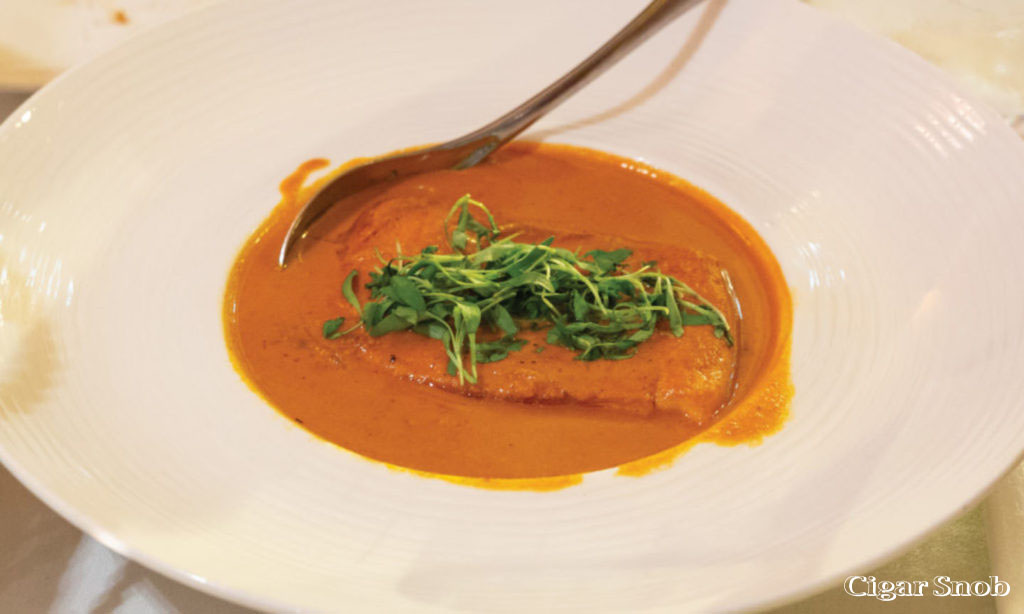
Once Biggie (that’s the furry alien’s name) had done his business, we were off to Rasika, an Indian restaurant in Penn Quarter (there’s also a West End location). Executive chef Vikram Sunderam won the James Beard Award for Best Chef: Mid-Atlantic in 2014 for his work at Rasika, making this far and away the most highly-decorated Indian restaurant Andy or I had ever visited. The four of us shared naan, Halibut Goan Curry (coconut, Kashmiri chili, tamarind), Chicken Tikka Masala, and Railway Lamb Curry (onion, tomato, potato).
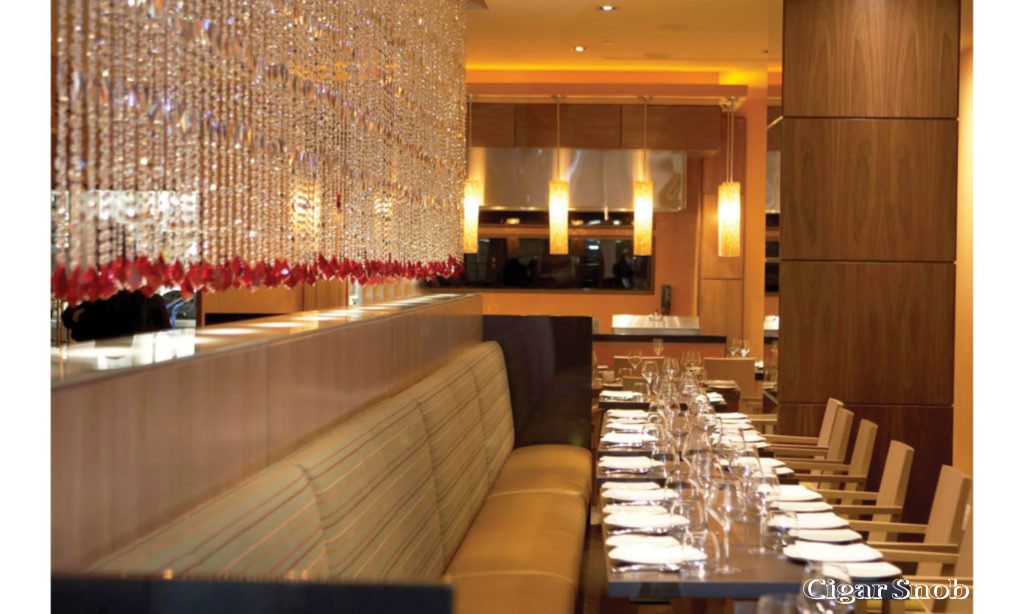
It might seem strange, but despite the fact that I had limited exposure to Indian cuisine when I was growing up, I think of it as comfort food. It’s rich, heavy, and similar in many ways to the tomato-based stew dishes that are among my favorites in the Cuban cuisine that I did get at home as a kid. All of which is to say that I relish Indian food like I grew up with it, and Rasika delivered on its promise of an elegant take on the rich, gut-filling Indian staples we had. Service was excellent, and the prices — especially considering all the fanfare that surrounds this restaurant — were eminently reasonable.
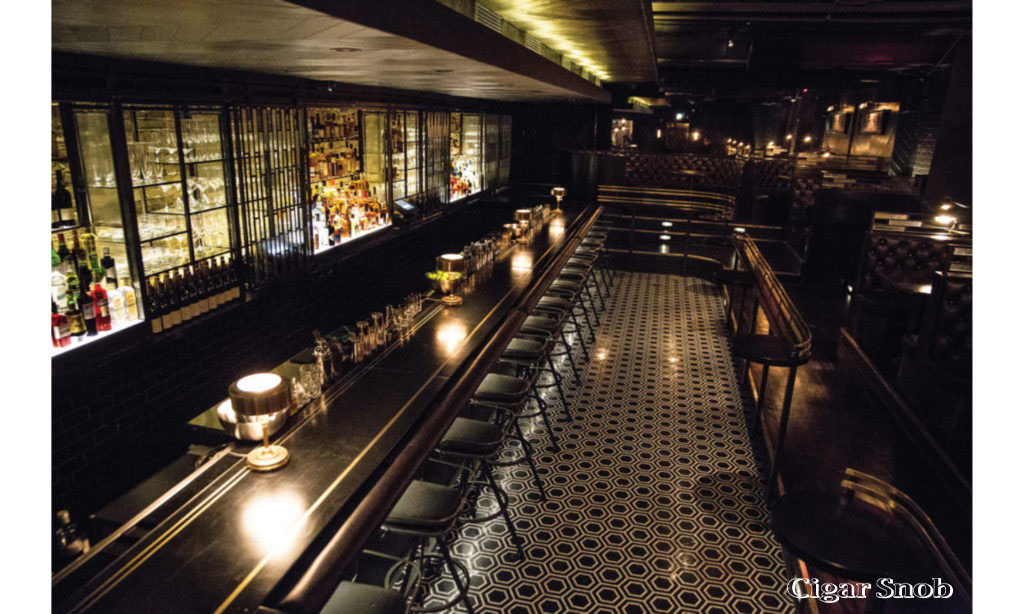
Entirely uninterested in ending the night there and then Laura, Erin, Andy and I walked over to Denson Liquor Bar. A couple of blocks north of the restaurant, just south of the Capital One Arena (home of Wizards basketball and Capitals hockey), Denson is a basement-level cocktail bar with an excellent selection of spirits. The dimly lit bar is designed in an industrial art-deco style that feels a bit like D.C. and Miami Beach had a baby.
The bar was quiet, as it was late on a Thursday night and the district, as it turns out, actually waits for the weekend to party like it’s a weekend. But that only meant we had the place — and the bartender — to ourselves. I went in on Laphroaig and a few other Scotches, but the menu of signature cocktails includes drinks made with a variety of spirits. Denson doesn’t discriminate, so the selection of gins is as good as the selection of Scotches or Bourbons or mezcals.
We ended the night on the far opposite end of the arena at Clyde’s (the Gallery place location; there are eight total), a sprawling pub in the corner of the Gallery Place mall. Clyde’s being open until 3 a.m., it seemed like night owls from all over were capping things off with us there. We had a couple of drinks and saw our friends into their Ubers. While we waited for our own, I met Tenika, a college student and hair stylist who had things to say about my chest hair. We had a conversation that was as weird as you would imagine it was until I found myself in a car with Andy on our way back to our hotel.
Covering ground
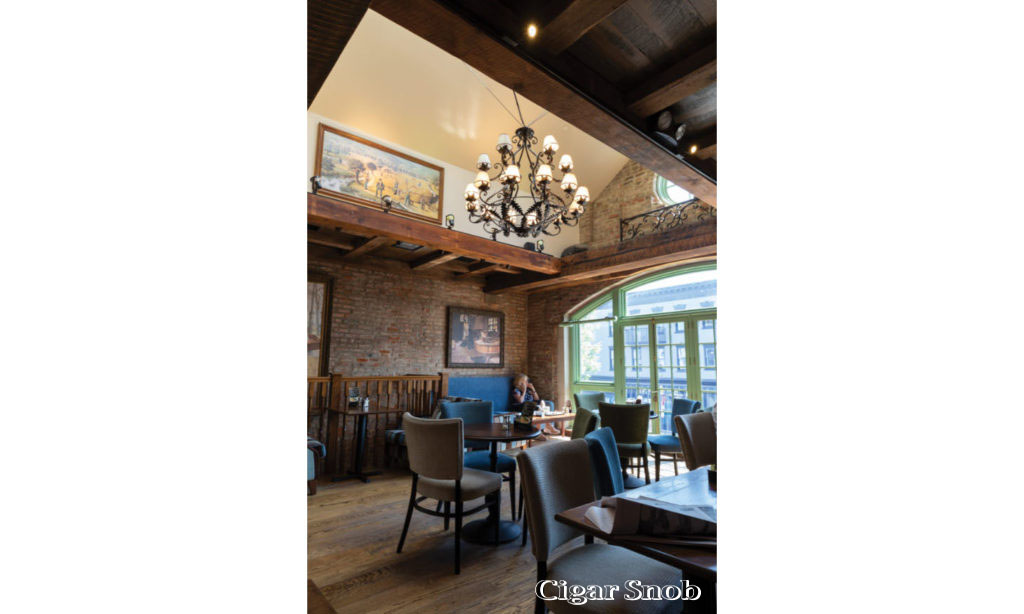
As it turns out, a foundation of curry and rice can only go so far in helping you make it through several hours of drinking without regretting it the next day. Our first morning waking up in D.C. was a bit rough and we needed breakfast to make us right before our morning in the historic Georgetown neighborhood west of downtown D.C. We got our medicine at a Paul Bakery (it’s a French chain; imagine Panera aiming its nose a little higher), where we took our time with the coffee, omelettes and pastries. The Georgetown location’s upstairs dining room is surprisingly good looking for a chain bakery. Lots of exposed brick, vaulted ceiling and natural light. It feels like you’re in a whole other kind of restaurant.
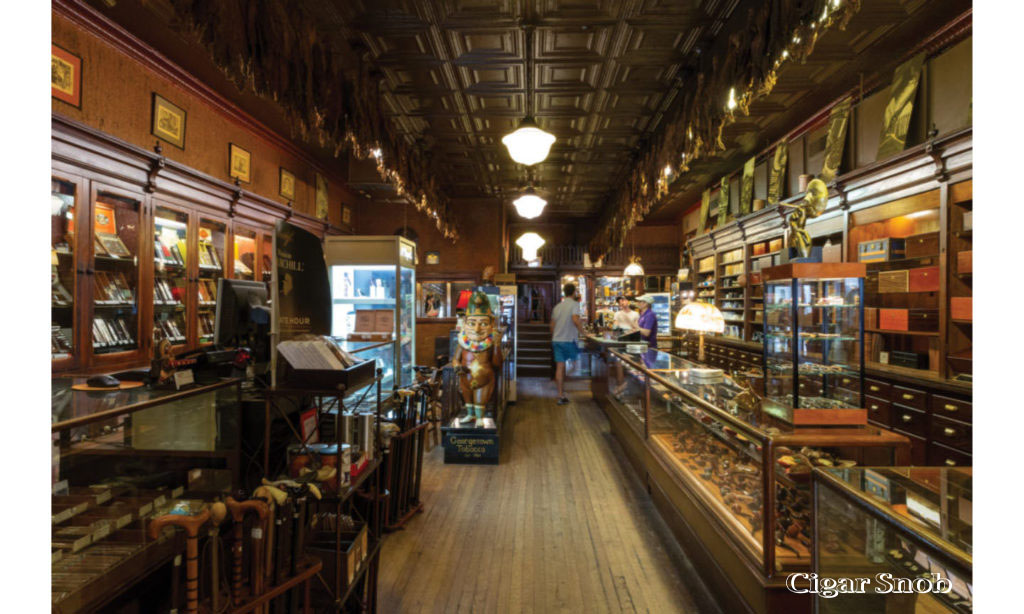
Feeling like a million bucks after our French omelettes, Andy and I went around the corner to Georgetown Tobacco, a nostalgic tobacconist that’s been operating in Georgetown since owner David Berkebile set up shop here in 1964. There’s a great selection of pipes, cigar accessories, and cigars, including the Caucus house blend. The people here are welcoming as they are in any shop, but there’s not much of a lounge area and the weather was tailor made for walking and smoking, so we lit a couple of those Caucus cigars and started a long smoking stroll south on Wisconsin Avenue into Georgetown Waterfront Park on the Potomac, west to the Francis Scott Key Bridge, and then north again into the residential area that’s a veritable showcase of the federal-style architecture that was predominant from about 1785 to 1815.
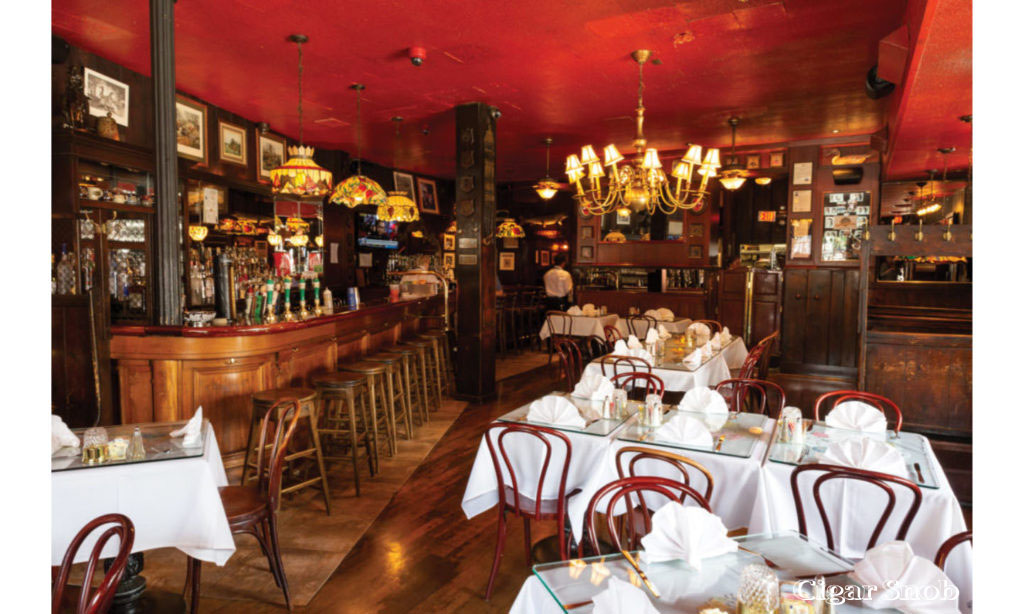
Just as we approached the end of our smokes, we came upon Martin’s Tavern, a Georgetown institution that opened on the day Prohibition ended and has served every president since Truman (though not always while they were in office), with two exceptions: Obama and Trump. It’s a casual neighborhood place with a good bar, solid comfort food (potato skins, crab cakes, Reubens, Monte Cristos) and history in every corner. We had lunch plans, so we just ordered a couple of drinks to be able to say we’d been customers.
Our never-ending quest for good Cuban coffee outside of Miami took us on a very long detour to see another friend of mine, Dave Sandoval. Dave and I have known each other for about 15 years — since back when we were both much more active in Cuba-related activism things. When he heard I was looking for Cuban coffee in the D.C. area, he insisted we go half an hour north of Georgetown to Rockville Maryland to have lunch with him at The Cuban Corner. And holy crap, is that corner Cuban.
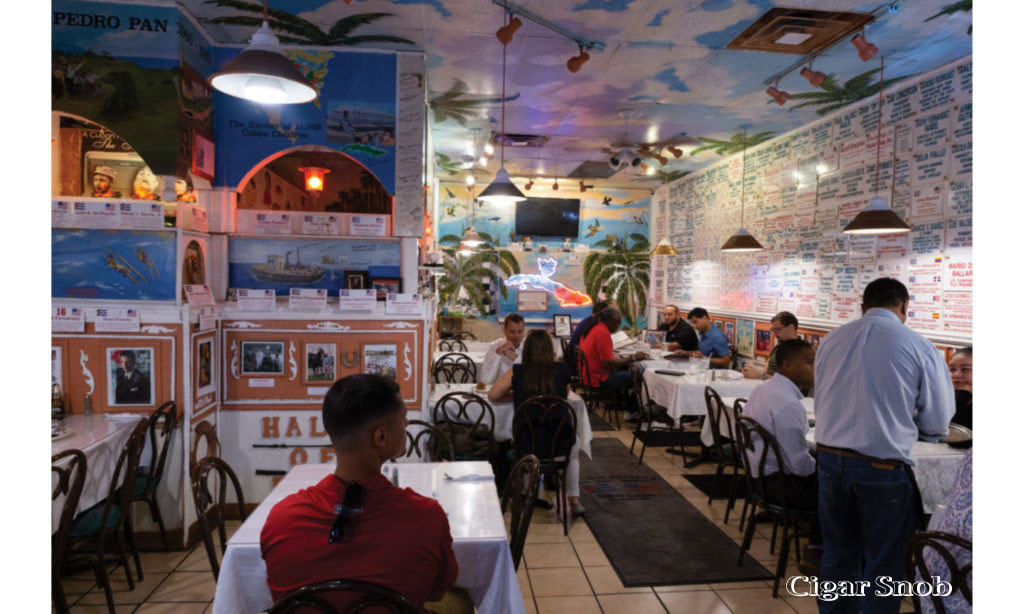
The minute we walked through the door, we thought we’d stepped through a portal into Little Havana. It wasn’t just the music and the smells, but the wall decorations. So much stuff on the walls! And it’s all charmingly cheesy Cuban nostalgia, photos of famous Cuban Americans, anti-Castro anything, or — and this is what they have the most — plastic plaques bearing the names of Cubans and Cuban Americans the restaurant’s owner, Joaquín Cabrejas, has decided to honor on the wall. It’s everyone from Celia Cruz to Jeff Bezos to my friend.
“This is like a shrine to historical Cuban exiles and the Cuban American generation. I have my name on the wall,” Dave said. We went to check it out and took a picture posing next to his plastic tile. “In D.C., there are a lot of places that are claiming to be Cuban that are not. I think it just sells better to call yourself Cuban. But this place has real Cuban food and you get large portions for not much money. And because this place is such a shrine, I really feel it’s a place where you can get a dose of vox clamantis in deserto.” A voice crying out in the desert.
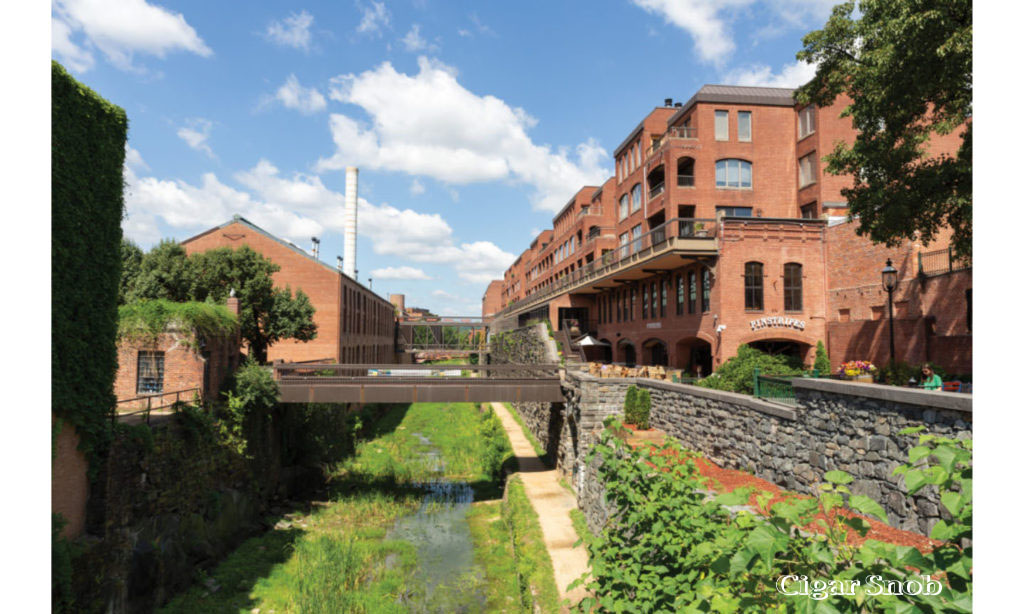
That might sound dramatic, but I know what it is to live in a Cuban food desert, wanting to cry out for a cafecito. And while the Cuban coffee was no better here than at Colada Shop, just about everything else was spot on. In fact, I’d say that The Cuban Corner in Rockville Maryland might have better vaca frita (a traditional dish of shredded beef fried with primarily garlic, and onions) than any Cuban restaurant in Miami.
As Dave noted, with the exception of Ethiopians, there aren’t many ethnic enclaves in D.C. proper — at least none that have put down roots deep enough to have developed their own distinct restaurant scene. The best ethnic food, he said, is in suburbs like Rockville. In a broader sense, though, the D.C. food scene is coming into its own.
“It’s really developed over the last 10 years, but more in high-end dining. Michelin started coming here, so now there are 2- and 1-star restaurants. I think because New York is so expensive, this is another frontier,” said Dave, who moved to the D.C. area from New York about a decade ago.
After our second Cuban coffees (I said it wasn’t great, but not that we weren’t going to drink a ton of it), we hopped into an Uber and made our way back downtown to the U.S. Capitol Building. My friend Keith, from the previous day, had gotten in touch with a friend of his in Congresswoman Donna Shalala’s office to arrange for a couple of interns to give us a tour.
Arranging these tours is actually pretty simple. If you visit your congressperson’s official website, you should be able to fill out a form there requesting a tour from someone on their staff.
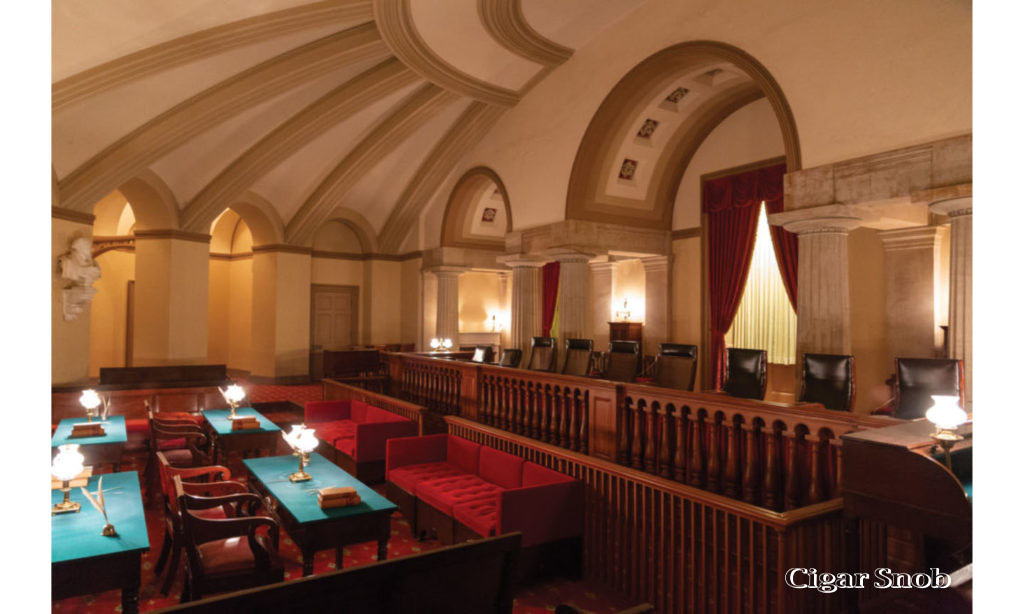
In our case, we were shown around the Capitol Building by a couple of interns — one a med student and the other an undergraduate student. The tours take you primarily through the less functional, more historical parts of the Capitol. For instance, there’s the old Supreme Court chamber, Statuary Hall, and the Old Senate Chamber (which housed the Senate from 1819 to 1859. Cigar smokers like you will probably be more interested than most in seeing the small metal buckets that sat on the ground at the end of each row of desks. All that ash had to go somewhere.
There’s a lot about the building that feels like it’s designed to impress upon anybody walking through that America is special, America is unique, and that America does what the hell America wants. Some of my favorite manifestations of that must have had dignitaries from older, more traditional European nations thinking, “Come on, guys. Act like you’ve been here before.” For instance, the Corinthian columns that swap out that classic acanthus leaf embellishment at the top for more American stuff like corn and tobacco. “We get it!” the French must have said. “You’re proud of your crops. Relax.”
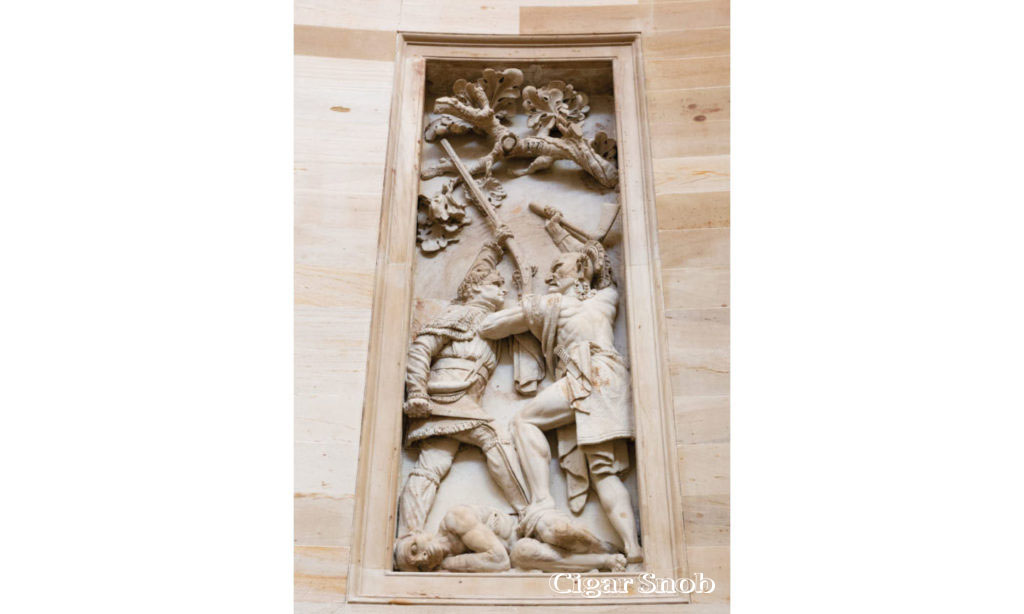
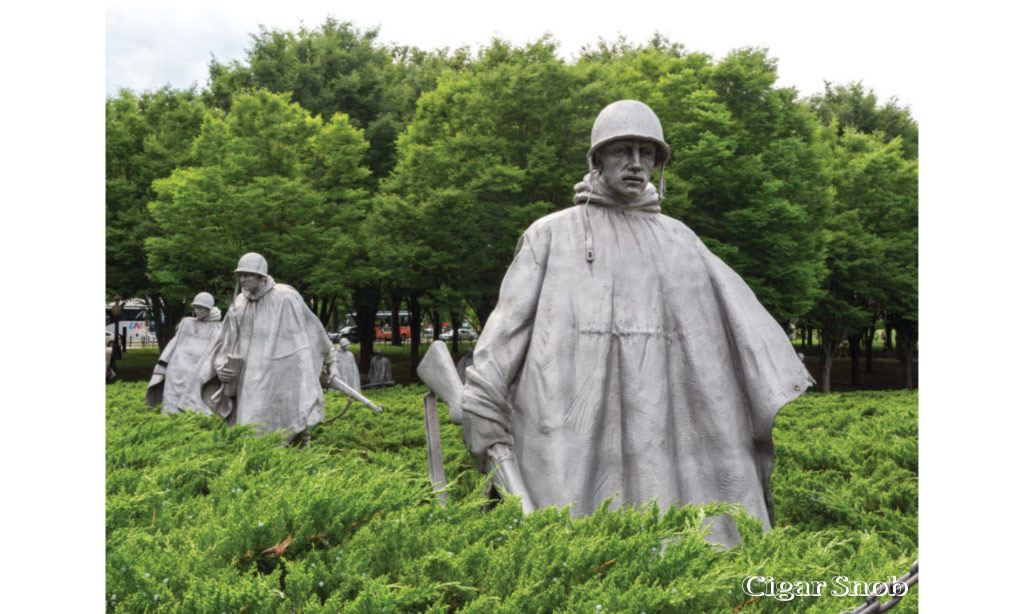
After our tour, we took another stroll around the National Mall (rain had cut our first one short) to see the Korean War Memorial and the World War II Memorial before making our way back to the Colada Shop for a coffee and then back to our hotel for a shower. Lugging all our gear around really gets the prelight aroma going, after all.
Our second cigar stop of the day was Civil Cigar Lounge. When there’s a place in town that’ll allow patrons to eat, smoke and drink under one roof, not stopping by feels like a pretty egregious omission for a cigar magazine. Shelly’s is one such place in town; Civil is the other. The lounge is in Chevy Chase Pavilion, a shopping mall in D.C.’s Friendship Heights neighborhood about 20 minutes north of DuPont Circle. Civil is a sleek bar with a short food menu that includes a burger, quesadillas, and other items like pretzels, charcuterie boards and smoked nuts. This isn’t a full-on restaurant the way Shelly’s is, but it’s great to have the option to eat at a cigar bar, especially if you’re around long enough to light up a second time. The cigar list at Civil includes a selection of Fuente, Avo, Davidoff, Illusione, Fratello, La Flor Dominicana, Oliva, Padrón and others. Andy and I ordered wings and quesadillas before moving on to cigars and cocktails while we watched NBA playoff basketball.
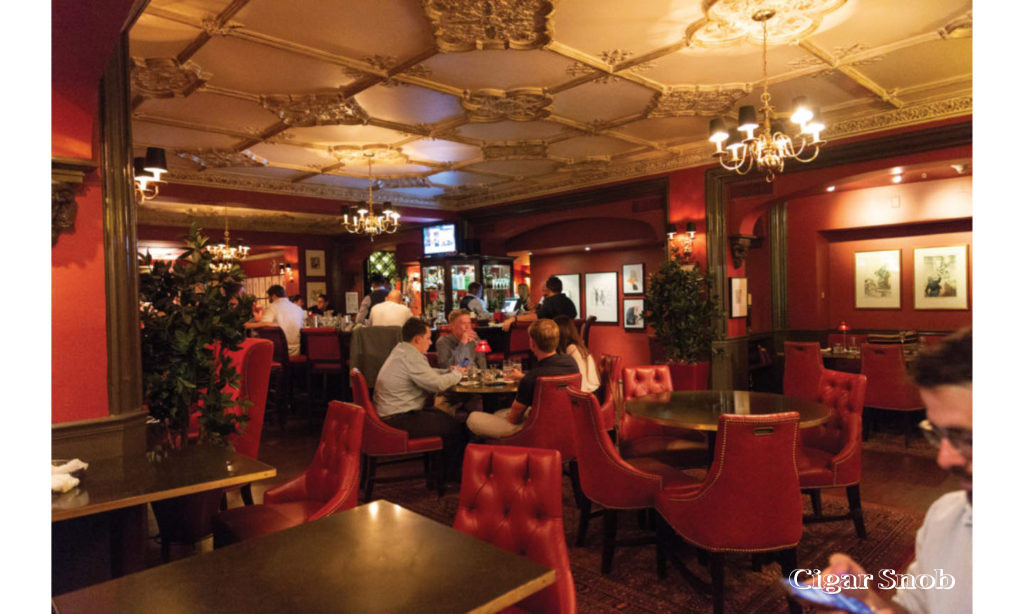
After finishing our cigars, we headed south again to the Hay-Adams Hotel, where there’s an underground bar called Off the Record. It’s been called one of the world’s best hotel bars by Forbes. That’s the kind of accolade that’s easy to brush off these days — what with all the travel listicles that are flying around on the Internet — but we do a lot of hotel bars for Cigar Snob and I can say without reservation that this is right up there with the best of them (assuming, of course, that we’re not accounting for whether smoking is allowed).
Simultaneously swanky and irreverent, Off the Record is where D.C. comes to hide out with its drinks and make fun of itself. The coasters, the artwork and even the drinks are taken as opportunities to have fun at the expense of the political elite — who also drink here themselves. The place is dripping with pretense, and yet the people there were laid back, having a great time. Andy and I arrived just in time for last call and couldn’t resist ordering a couple of Trumpy Sours. That’s Filibuster Boondoggler whiskey, lemon juice, thyme and honey. It was a perfectly executed drink in a perfectly executed bar.
Other drinks on the menu: “Slip of the Tongue,” Mueller’s Trump Card, and the Sweet Melania.
Our night ended with my friend Laura all over again, who met us at The Passenger, a divey bar that’s really only aesthetically divey. Though it caters to young hipsters who you wouldn’t assume appreciate this sort of thing, the bar is well appointed. You’ll find a wide selection of craft spirits and bartenders who know what the hell they’re doing making cocktails.
Note: Directly above The Passenger is another bar called Hex, which has a goth or witch or vampire theme or something. Not my thing, but maybe you’re into that.
Laura was a great guide and did what she could to keep the tour going late, but the next couple of places we ventured to were either closed or impossible to get into very late. And, frankly, that was probably for the best. Maybe Andy and I are getting too old for this, but we were beat and looking forward to looking at art like civilized people the next day.
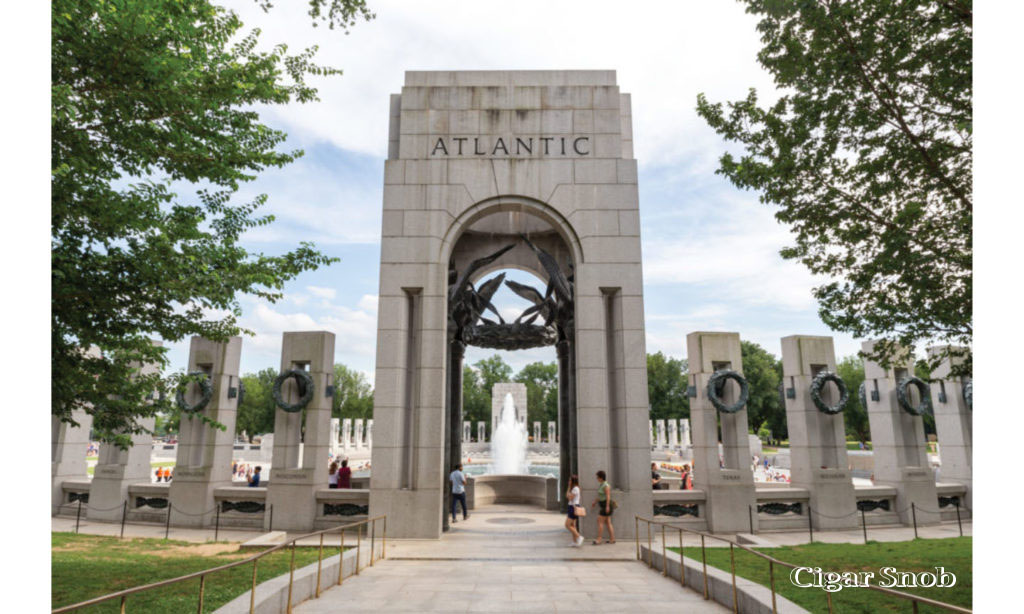
The more you eat, the more you art
With a flight to catch in the afternoon, Andy and I figured we would spend the rest of our time in D.C. seeing some of the culture we hadn’t quite made time for to this point. That started at Kramerbooks, an independent bookstore on Dupont Circle where Erin (from a couple of nights before, with the pet extraterrestrial) recommended we have breakfast at the bookstore’s Afterwords café. Kramerbooks & Afterwords has been around since 1976 (the bicentennial year) and puts on hundreds of book-related events a year, but the breakfast is solid every morning.
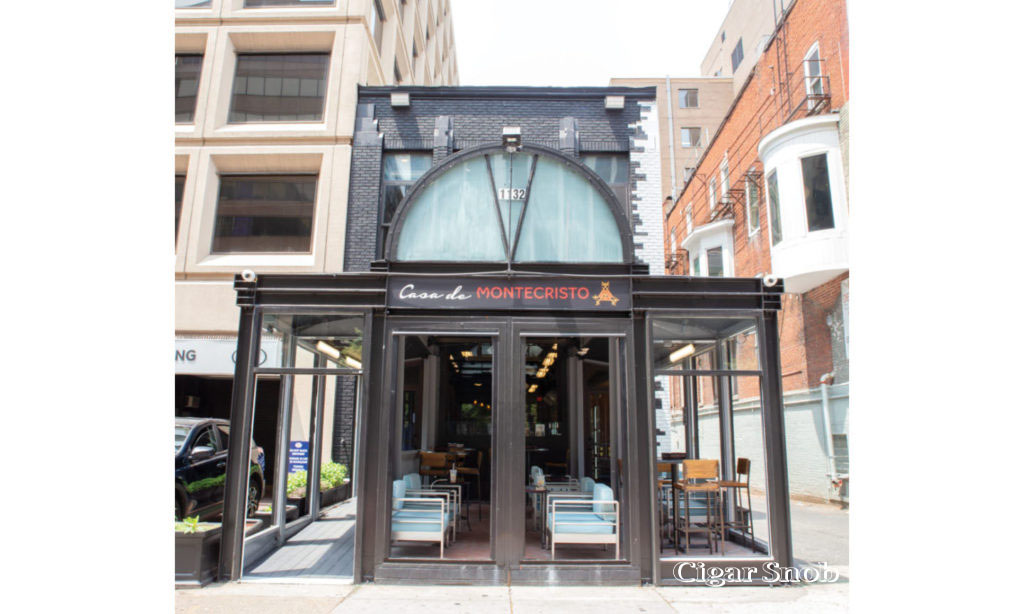
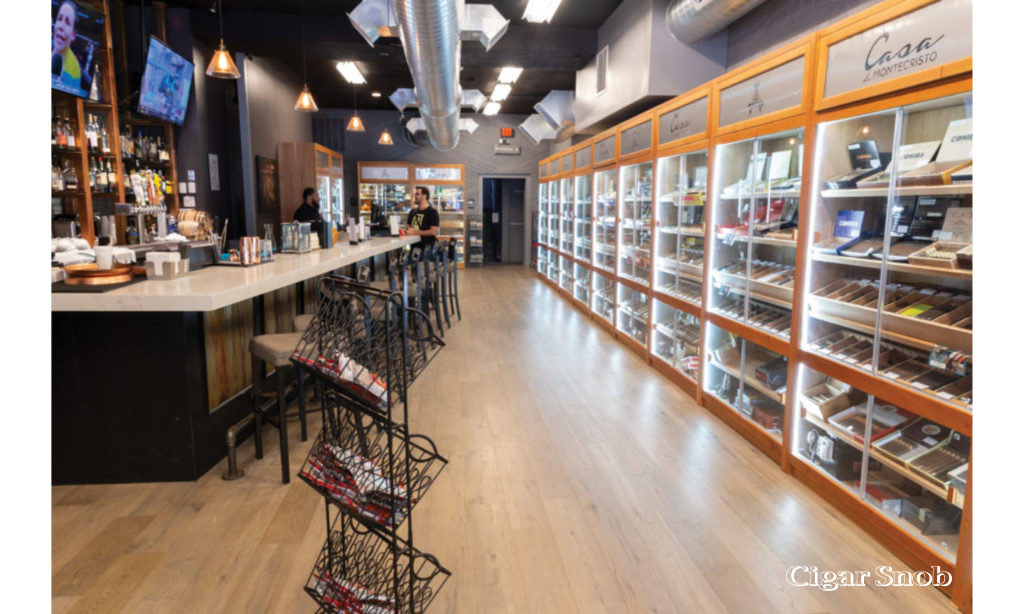
After a crab cake benedict and coffee, Andy and I walked 10 minutes south to Casa de Montecristo, one of the city’s newer, more modern tobacconists. They have a great lounge that juts out toward the street and has large sliding doors on three sides, so that (weather permitting) it becomes an outdoor cigar lounge. There’s also a bar inside, and loads of cigar inventory, including a lot of products that are exclusive to Casa de Montecristo lounges. We picked up a couple of Herrera Estelí Cuadrado cigars, which is a vitola Drew Estate makes exclusively for these stores.
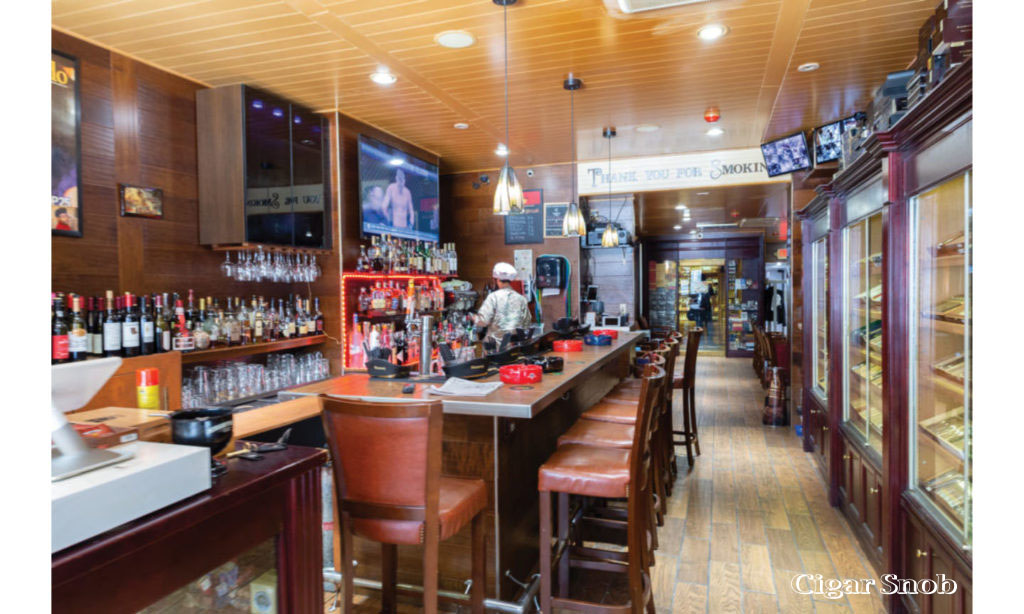
After lighting up, we walked to another cigar lounge (this is research!) about 25 minutes east. TG Cigars is a great neighborhood cigar shop with a totally different, warmer feel to it than Casa de Montecristo. The selection is smaller, but well-curated, and the bar has a no-nonsense espresso machine that makes TG a great place to come early in the morning as well as later on in the day for the full bar.
Now two cigars in it was time to scratch Andy the art director’s art itch. So we visited two very different galleries. First, The Phillips Collection, where a permanent collection of nearly 3,000 works of art is displayed in an unusually intimate setting — founder Duncan Phillips’ 1897 Gregorian Revival home. There’s something about encountering world class art in a place that feels like you could be in a person’s living space that adds to the experience.
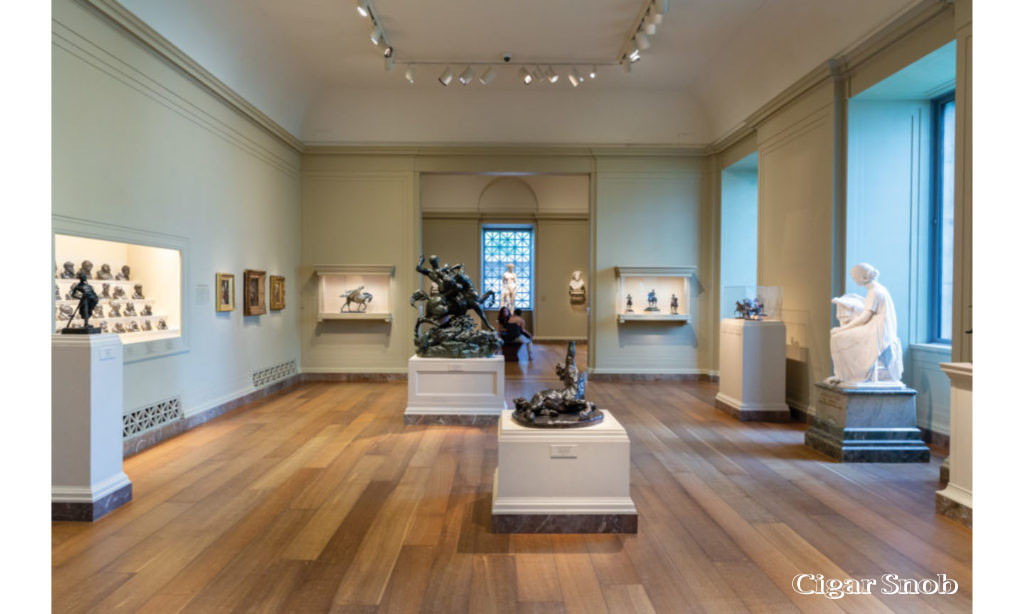
Second, we visited the National Gallery of Art, which is open to the public free of charge. It was established in 1937 by a joint resolution of the U.S. Congress with a large portion of the construction funding and the art collection coming from Andrew W. Mellon (of the famous and wealthy Mellon family from Pittsburgh). Aside from being a businessman, art collector and philanthropist, Mellon had stints as Treasury secretary and ambassador to the United Kingdom.
But I digress! The National Gallery is one of the largest museums in North America and, aside from the expansive indoor gallery space, includes a 6.1-acre sculpture garden. With a permanent collection that includes works spanning from the Middle Ages to the present, it wouldn’t even make sense for me to begin laying out some of the highlights. Besides, what Andy and I managed to take in before we had to keep moving was a sliver of what the National Gallery has to offer. Set aside several hours for this place if you’re even remotely interested in art.
By the time we were done with all the art, it was about 3 p.m. and we had a flight to catch at 5:30. I like to play it safe, so we went the fast food route and got lunch at Ben’s Chili Bowl, the D.C. chain of chili (and chili dog and chili burger) joints that anybody who’s anybody needs to visit when they’re in town.
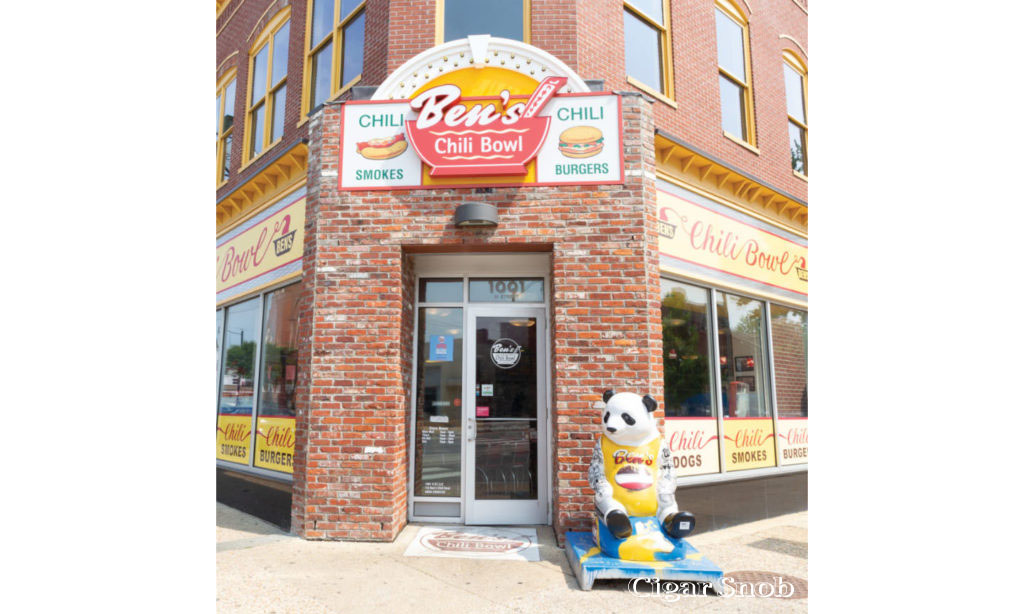
Ben and Virginia Ali founded Ben’s Chili Bowl in 1958 in the “Black Broadway” area of Washington D.C. at its original location on U Street. Since then, Ben’s has been not only a landmark, but the casual meal of choice for locals, tourists, and the throngs of activists who were traveling through the city for things like the 1963 March on Washington. In 2004, Ben’s won the Gallo of Sonoma “American Classics” Award from the James Beard Foundation.
That’s a lot of history. A lot of prestige. A lot of honor for a restaurant chain. None of that changes the fact that, for all that Ben’s has done for this town, I did my fellow passengers no favors eating chili three ways just before a flight. Andy and I split a bowl of chili, a double cheeseburger with some chili on it, and chili fries.
I’d like to take this opportunity to apologize, in writing, publicly, to my fellow passengers.